Live preview · Letter (8.5" × 11") · Gray lines
Geoboard Paper (5×5)
Geoboard recording paper: six outlined boards per page, each a 5 × 5 array of dots matching the pegs on a standard classroom geoboard. Students copy the shape they made with rubber bands onto the paper.
Download saves a vector PDF in the size and color selected below, no print dialog needed.
Other formats:
Direct PDF:Geoboard Paper (5×5) Letter PDFGeoboard Paper (5×5) A4 PDF
Choose a different paper size:
Choose a different line color:
Great for
- Recording geoboard shapes
- Area and perimeter of polygons
- Symmetry, congruence and fractions of a square
- Geoboard challenges without the boards
Geoboard Paper (5×5) at a glance
| What it is | Six 5×5 geoboard templates per page for recording shapes made with rubber bands. |
|---|---|
| Category | Math & Learning |
| Paper sizes | Letter (8.5" × 11"), A4 (210 × 297 mm), A5 (148 × 210 mm), Half Letter (5.5" × 8.5"), B5 (176 × 250 mm), Legal (8.5" × 14"), 11" × 17", A3 (297 × 420 mm), A2 (420 × 594 mm), Poster (18" × 24"), Movie Poster (27" × 40") |
| Line colors | Faint, Light, Gray, Dark, Black, Blue, Green (default: Gray) |
| Format | Vector PDF at exact physical scale (Letter PDF, A4 PDF), PNG or SVG, or print directly from the browser |
| Price & license | Free. No signup or watermark. Printed sheets may be used for personal, classroom and commercial work. |
About geoboard paper (5×5)
A geoboard is a square board with pegs in a grid, on which students stretch rubber bands to make polygons. It was introduced by the mathematics educator Caleb Gattegno in the 1950s and is still a standard tool for teaching shape and area. The most common classroom board has 25 pegs in five rows of five, forming 16 unit squares. Recording paper lets students keep, compare and mark what they built.
What's on the page
Six boards in two columns and three rows. Each has 25 dots in a 5 × 5 array, 17 mm apart on US Letter, inside a rounded outline.
How to use it well
Copy peg by peg
Count pegs across and down from a corner for each vertex, then join them with a ruler.
Find area by counting
Each small square between four dots is one unit. Count whole squares and combine halves.
Use it without boards
Set challenges such as 'draw three different triangles with area 2' directly on the paper.
Common mistakes to avoid
- Treating diagonal steps as one unit long. The diagonal of a unit square is about 1.41 units.
- Drawing vertices between dots. On a geoboard every corner must sit on a peg.
FAQ, Geoboard Paper (5×5)
How many pegs does each board have?+
25, in five rows of five.
How many boards are on a page?+
Six.
Is there a full page of dots?+
Yes, 1 cm dot paper is a full page of square dots, and isometric dot paper has a triangular array.
Can I use it for dots and boxes?+
It works, but the dots and boxes sheet has larger boards made for the game.
Printing tips for best results+
- 1. Click Print above. A new tab opens the template at exact size.
- 2. The print dialog appears automatically. Set Scale to 100%. Never "Fit to page", which silently shrinks every cell.
- 3. Set Margins to None or Minimum so the grid reaches the page edge.
- 4. For a PDF, click Download instead. It generates a vector PDF directly without going through the printer driver.
More detail in the guide to printing graph paper at actual size. Need a spacing that isn’t listed? Use the graph paper generator.
You might also like
Math & Learning
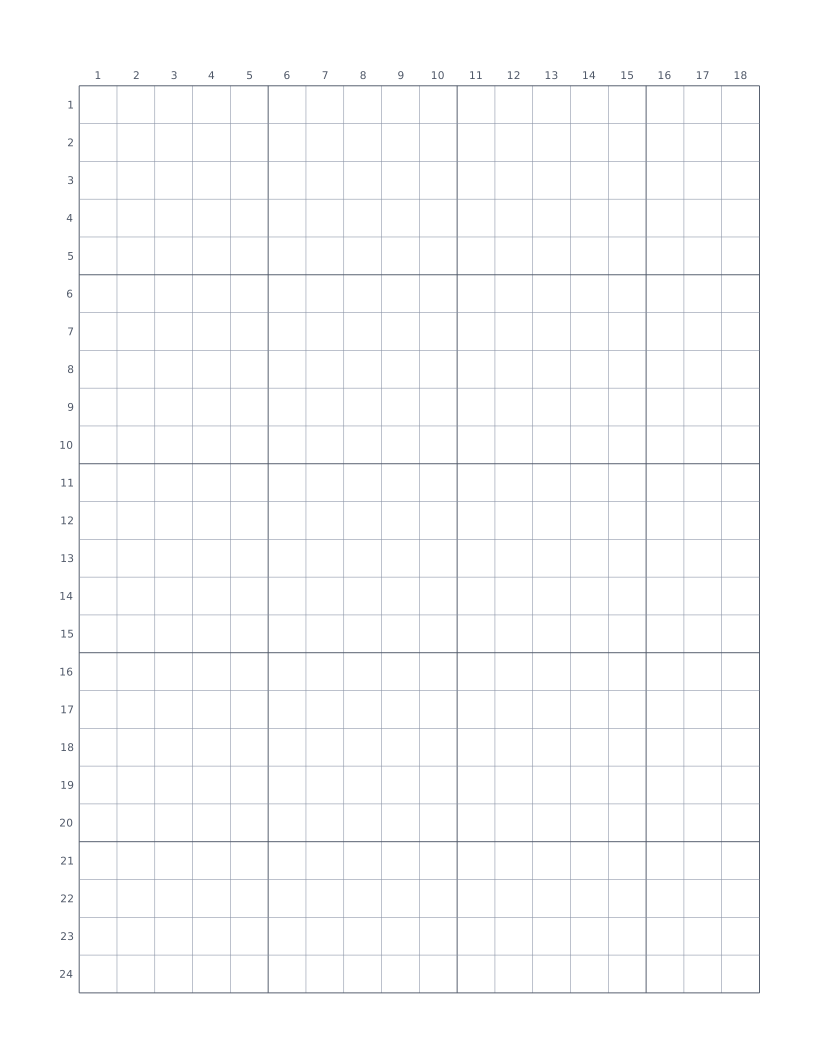
Numbered Grid Paper
1cm grid with columns numbered across the top and rows down the side.
Math & Learning
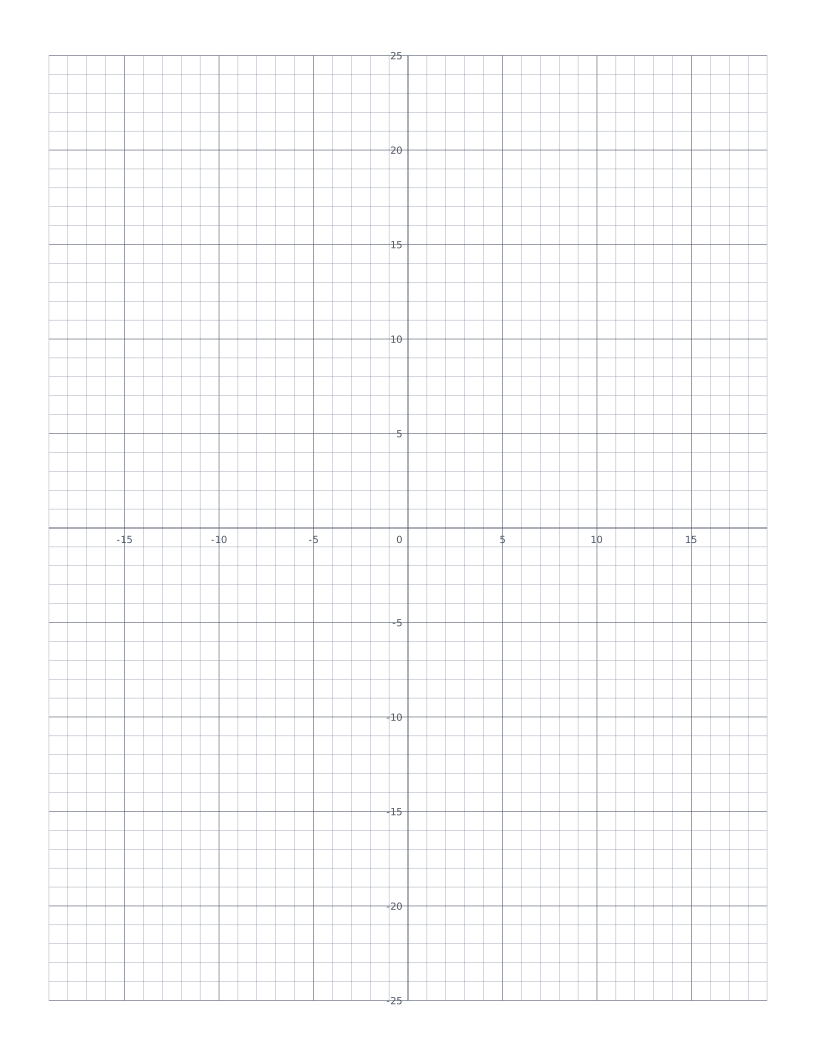
Coordinate Plane
Cartesian grid with numbered x and y axes through the centre: four quadrants for plotting points and graphing functions.
Math & Learning
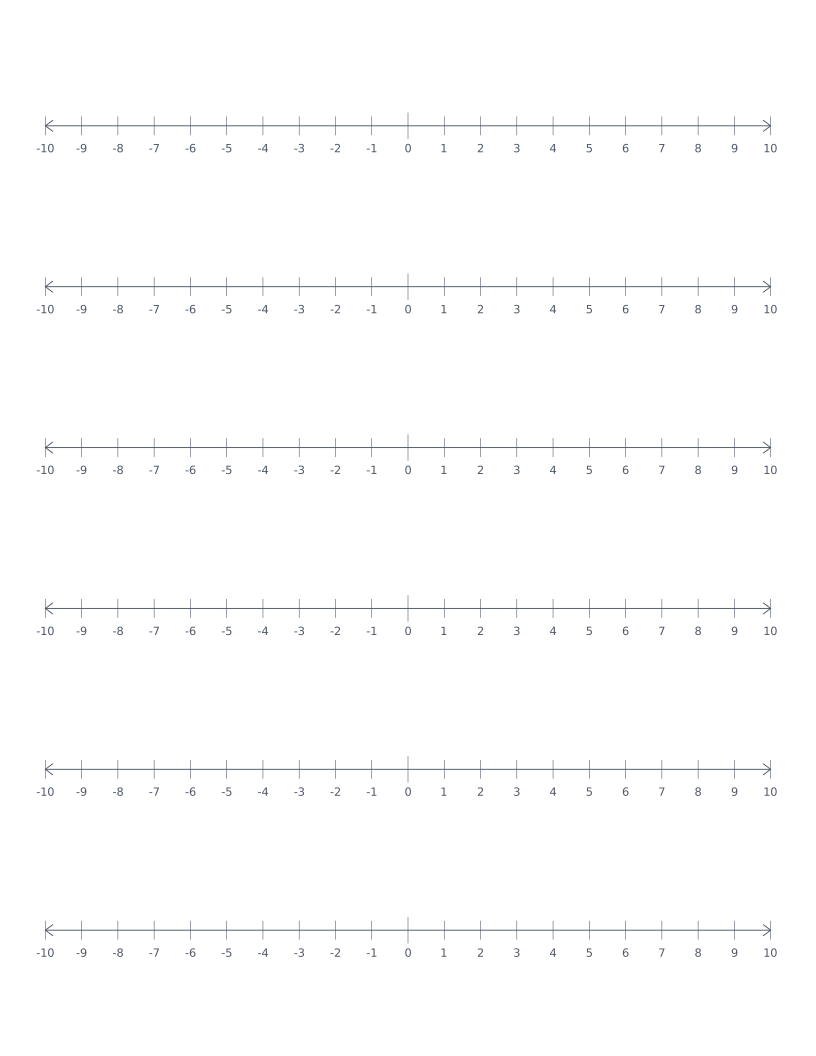
Number Line
Stacked number lines from -10 to 10: for elementary math, addition, subtraction and integer practice.
Math & Learning
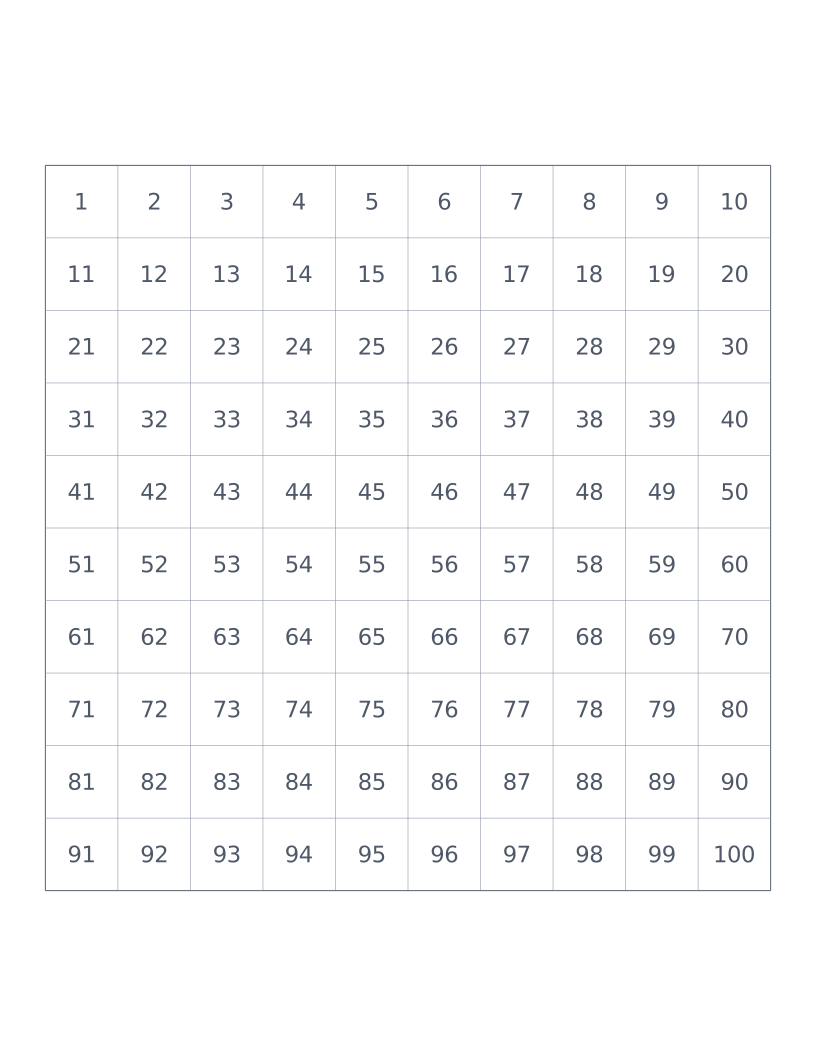
Hundreds Chart
10×10 grid numbered 1 to 100: a classroom staple for counting, place value and skip-counting.